This table does not consist of all companies or all available items. Interest does not endorse or suggest any companies. Editorial Policy Disclosure Interest. com abides by stringent editorial policies that keep our authors and editors independent and truthful. http://hectorbiyv160.theglensecret.com/not-known-factual-statements-about-how-many-mortgages-in-one-fannie-mae We rely on evidence-based editorial guidelines, regularly fact-check our content for precision, and keep our editorial personnel totally siloed from our advertisers. If the rate were to increase 1 basis point, it would increase to 3. 26%. If it were to go up 50 basis points, it would increase to 3. 75%. A 100-basis point boost would lead to a 4. 25% rate. If a loan rate is 5% and increases 20 basis points, that is the equivalent of raising the rates of interest by 0.
2%. If rates of interest are at 4. 75% and drop to 4. 6%, that is a 15-basis point (0. 15%) decrease. Although a basis point seems little, even a modest modification can make a big distinction in the total interest you pay over the long term. Here is a chart revealing how total payments on a $200,000 loan modification, based on a 30-year fixed home loan of 3.
75%-- $926. 23 $333,444 $133,444 3. 85% 10 points $937. 62 $337,541 $137,541 3. 95% 20 points $949. 07 $341,668 $141,668 4. 25% 50 points $983. 88 $354,197 $154,197 * Rates are for example only. Your rate will depend on existing mortgage rates plus your credit history. Don't confuse discount rate points (frequently just called points) with basis points.
For example, a point on a $200,000 loan would equal $2,000. When you pay discount rate points, you're essentially prepaying a few of the interest on a loan. The more points you pay at closing, the lower the rate of interest will be over the life of the loan. This can help make regular monthly payments more budget-friendly and conserve cash read more in interest over the long term.
Portfolio managers and investors utilize basis points to show the portion modification in interest rates or financial ratios in U.S. Treasury bonds, mutual funds, exchange-traded stocks and genuine estate-based investments. Specialists use mathematical terms to explain basis points however even if you're not a financial expert or lender, you can comprehend them, too.
Not known Incorrect Statements About What Is The Interest Rate Today For Mortgages
One basis point equals 0. 01%, or 0. 0001. One hundred basis points equals 1%. How does this translate to mortgages? Let's say you have an adjustable rate mortgage (ARM). Your rates of interest is 3. 50%, then the rate of interest changes to 3. 75% at a later date. This suggests your rates of interest rose by 25 basis points.
You'll hear the term "basis points" frequently utilized in connection with home mortgages (what to know about mortgages in canada). One basis point is 1/100 of 1 percent. While definitely not a large portion quantity, basis points can be exceptionally important in mortgage circumstances. Due to the fact that of the size of mortgage, basis points although little numbers - what is wrong with reverse mortgages. When you hear or read about an increase/decrease of 25 basis points, you need to know this suggests one-quarter of 1 percent.
01 percent in interest. what is the interest rates on mortgages. Especially crucial to large-volume home loan lenders, basis points-- even just a few-- can indicate the difference between revenue and loss. Economically speaking, mortgage basis points are more crucial to lenders than to borrowers. Nevertheless, this influence on lending institutions can also impact your mortgage rates of interest.
25 or 0. 375 percent their provided mortgage rate to borrowers perhaps you. Basis points are popular with larger financial investments such as bonds and mortgages due to the fact that. Unless you operate in the world of financing, you might not understand the appeal of basis points (how many mortgages are there in the us). From a home mortgage point of view, small increases in basis points can imply bigger modifications in the interest rate you may pay.
When you compare home loan rates and terms, you will eventually come across basis points. For example, you speak to a loan officer, informing him/her that you wish to lock-- ensure your rate at closing-- your rate for 60 days. The loan officer then recommends you that the lending institution charges 50 basis points to Click here for more lock your rate for that duration.
Some Of Who Owns Bank Of America Mortgages
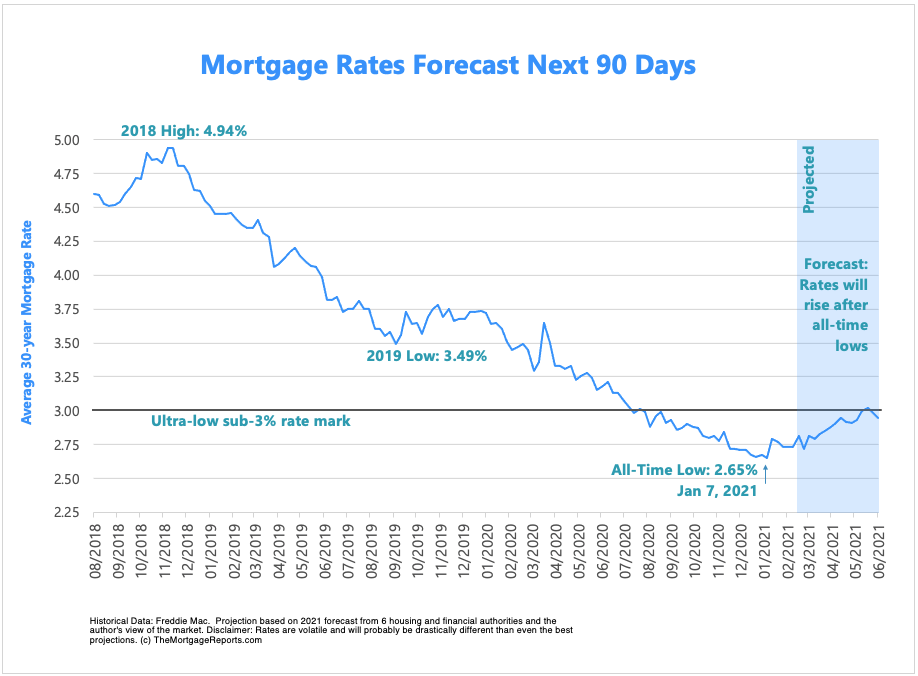
Home mortgage rates tend to "lag" be a bit behind other market interest rates. Understanding basis points may assist you, to a degree,. If you are nearly all set to make a mortgage application, knowledge of basis points might help you save some cash. For example, you notice bond yields and prices increased by 20 basis points on Monday.